Making a Claim
Proof of ownership is the evidence nobody collects in advance
At a claim you are asked to prove that things existed, what they were and what they were worth. Almost nobody can, and it is entirely preventable.
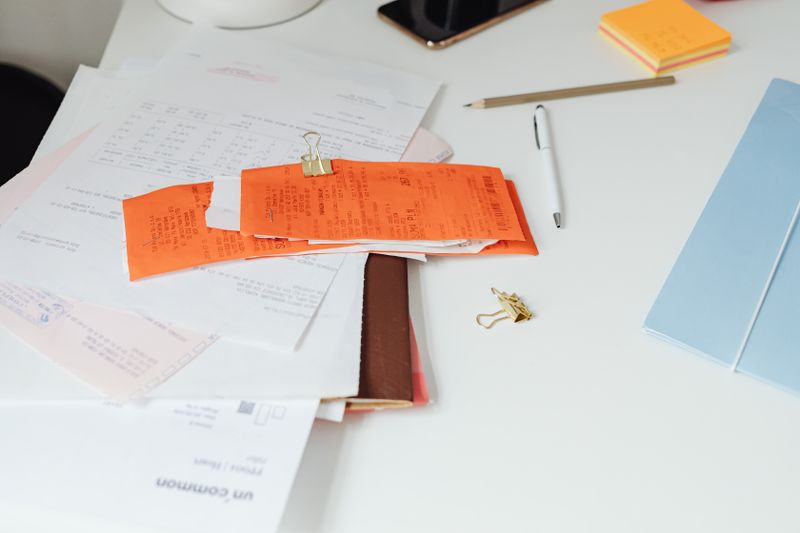
The options around proof of ownership are set out side by side below, with the conditions that genuinely favour one over the other.
The difference in one place
- Insurers are not obliged to accept an unevidenced valuation and generally do not.
- Photographs, serial numbers and dated records are the three most useful forms of proof.
- Evidence stored only in the house is lost in the same events that cause the claim.
What insurers actually want
They want evidence that the item existed, that it belonged to you, what specification it was, and what it would cost to replace or what it was worth. Receipts do all four at once, which is why they are requested first. Where receipts are unavailable, bank or card statements, photographs, warranty registrations and manuals in your possession all contribute.
A combination of weaker evidence is usually accepted where it is consistent.
The twenty-minute inventory
Walk each room with a phone, filming continuously and narrating, opening wardrobes, drawers and cupboards. Photograph serial numbers on electronics, model plates on appliances and hallmarks on jewellery.
Where it helps most, photograph the inside of the garage, the shed and the loft, which are the areas invariably forgotten. This single exercise produces more usable claim evidence than most people accumulate in a decade.
Store it somewhere else
Evidence kept in a drawer at home is destroyed by the fire or taken by the burglary it was meant to document. Cloud storage, an email to yourself, or a copy at a relative's address all solve this. Insurers accept digital evidence readily, so there is no need for paper.
Where it helps most, the storage location is the part people get wrong, not the collection.
High-value items need more
Jewellery, watches, art and collectables usually need a professional valuation, and insurers often require one above a stated value. Valuations date, and many insurers require them to be refreshed every few years to remain acceptable. Specifying such items on the policy is what removes the single-article limit, and the valuation is what supports the specified sum.
An unspecified valuable item is capped regardless of what you can prove about it.
Records that help beyond ownership
Service records for boilers, electrical certificates, and roof or damp work invoices all support claims about maintenance. Those documents defeat the wear-and-tear argument that decides so many property claims.
Keeping them in the same place as the inventory makes them findable when it matters. A single folder in cloud storage is sufficient.
Some of this will suit you and some will not, and that is the point.
What to do after a loss
Photograph everything before moving or discarding anything, including the wider scene. Do not dispose of damaged items until the insurer confirms you may, since they are evidence.
The useful part is this: write a list from memory immediately, because recall degrades quickly and the earliest list is usually the fullest. Reconstruct purchase evidence from statements and online order histories while accounts are still accessible.
Side by side
| Consideration | What it means in practice |
|---|---|
| What insurers actually want | Insurers are not obliged to accept an unevidenced valuation and generally do not. |
| The twenty-minute inventory | Photographs, serial numbers and dated records are the three most useful forms of proof. |
| Store it somewhere else | Evidence stored only in the house is lost in the same events that cause the claim. |
The takeaway
Film every room this week and store it outside the house. It is the cheapest claim insurance there is.
The version you keep doing is the version that works.
Questions readers ask
What if I have no receipts?
Photographs, bank statements, online order histories, warranty registrations and box or manual retention all help. Consistent partial evidence is usually accepted; nothing at all usually is not.
How often should I redo the inventory?
After any significant purchase and otherwise once a year. It takes twenty minutes and it is the only claim preparation that works before you know what you will need.
Also by Idrees Nawaz
- Waiting periods are the part of health cover nobody readsHealth Cover
- Outpatient cover is where two health policies stop being comparableHealth Cover
- Excess, co-payment and co-insurance are three different billsHealth Cover
- What happens to health cover when you leave the employer that bought itHealth Cover