Travel
Airline failure is a different risk from travel insurance
When a carrier or tour operator collapses, the protection that helps you is usually a licensing scheme or a payment card right, not the policy in your bag.
This is less a set of instructions about supplier failure cover than an argument, and it is worth saying so at the start.
The argument in brief
- Standard travel policies frequently exclude financial failure of a supplier.
- Many countries operate licensing or bonding schemes covering package holidays.
- Payment card protections vary enormously by country and card type.
Insolvency is not an insured peril by default
Travel policies cover events happening to you, not the financial condition of the companies you booked with. Scheduled airline failure and end-supplier failure are usually optional extensions or separate products.
Where included, they typically cover the cost of replacement travel or the irrecoverable cost of the booking, up to a limit. Checking whether it is in your policy at all is the first step; most people assume it is.
Licensing and bonding schemes
Many countries require tour operators selling packages to hold financial protection, funded by a levy and administered by a regulator or trade body. These schemes typically arrange repatriation and refunds when a protected operator fails. Protection usually attaches to packages rather than to individual flight-only bookings, which is the crucial distinction.
In practice, what exists, and what it covers, is entirely country-specific and must be checked locally.
Package or components
Booking flights, accommodation and transfers separately produces a set of individual contracts with no package protection in most regimes. Booking the same elements together from one seller often creates a package with statutory protection attached.
The price difference is frequently small and the protection difference is large. Definitions of what constitutes a package have been tightened in several markets, so check current local rules.
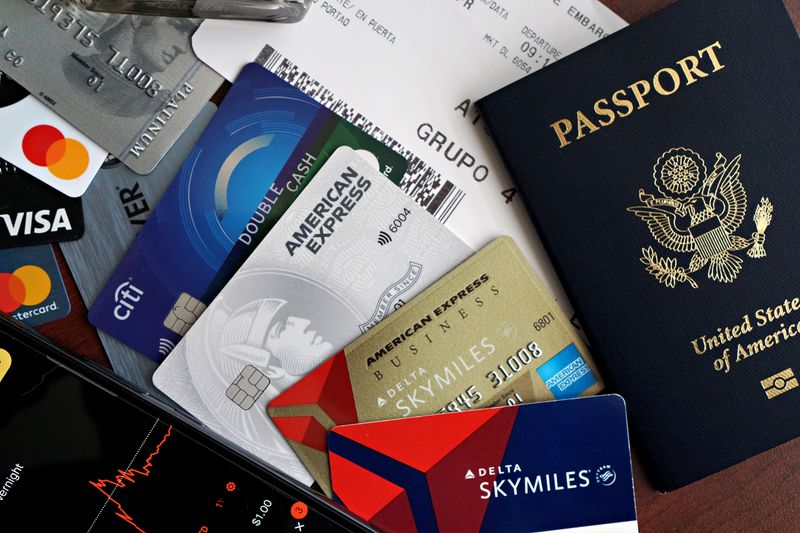
Payment method matters
In some countries, paying by credit card creates joint liability with the retailer for a failed service above a threshold amount. Debit card chargeback schemes exist in many markets but are scheme rules rather than statutory rights, and are more limited. Paying a deposit by card and the balance by transfer can undermine the protection entirely in some regimes.
These rules are jurisdictional and change, so confirm the current position with your card issuer.
If a supplier fails
Stop and identify which protection applies before spending money, because the schemes have different claim routes and evidence requirements. Keep every booking confirmation, payment record and communication. Where you are already abroad, contact the scheme or your insurer's assistance line before making new arrangements.
On an ordinary week, booking replacement travel unilaterally can put reimbursement at risk under some schemes.
Practical layering
The usual sensible structure is a protected booking route, an appropriate payment method, and travel insurance for the risks to you personally. Each layer covers something the others do not, and none is a substitute for the rest. None of this is advice about a specific booking, and the rules differ substantially by country.
Check your own regulator, consumer body or card issuer for what actually applies where you are.
The takeaway
Check who protects the booking before you check what the insurance covers. They are different systems.
Small and repeatable beats ambitious and abandoned, almost every time.
Questions readers ask
Does travel insurance cover an airline going bust?
Often only if you bought a scheduled airline failure extension. Many standard policies exclude supplier insolvency entirely, so check for the extension by name.
Is a flight booked with a hotel a package?
It depends on how it was sold and on your country's rules, which have changed in several markets. Ask the seller to confirm in writing whether the booking is financially protected.