Home & Contents
Accidental damage cover buys you clumsiness, not carelessness
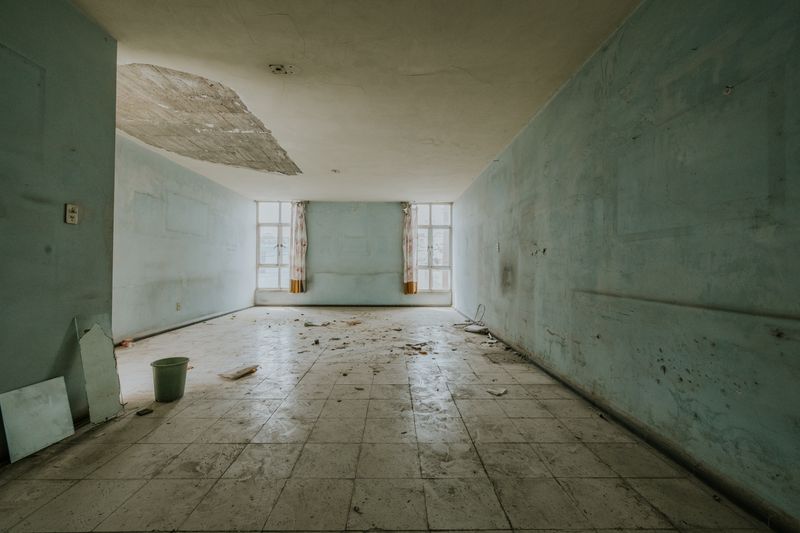
The add-on that pays for a foot through the ceiling has a boundary, and the boundary is whether the damage was sudden and unintended.
Everything here earned its place by changing an outcome. Nothing about accidental damage cover is included to round the number up.
What matters most
- Accidental damage is usually an optional extension, priced separately for buildings and contents.
- Damage that was gradual, deliberate, or caused by faulty workmanship stays excluded.
- Limited accidental damage cover for glass and sanitaryware is often included as standard.
What the extension adds
A standard home policy covers named perils such as fire, flood, storm, theft and escape of water. Accidental damage covers the residual category of sudden, unintended physical damage that fits none of those names. The classic examples are paint on a carpet, a drill through a pipe, a television knocked over, or a foot through a loft ceiling.
Without the extension, none of those has a peril to claim under, which is why the loss simply is not covered.
The boundary is sudden and unintended
Accident means an unlooked-for mishap at an identifiable moment, which is why gradual deterioration never qualifies. Deliberate damage by you or anyone lawfully in the property is excluded, including damage by a tenant in many landlord wordings. Damage caused by faulty workmanship or a defective design is usually excluded as well, since it is a defect rather than an accident.
The useful part is this: that leaves a real but bounded category, and the boundaries are where claims are argued.
Buildings and contents are separate purchases
Accidental damage to buildings covers the structure and fixed items: pipes, cables, fixed glass, fitted kitchens and baths. Accidental damage to contents covers your possessions, and the two are usually priced and selected independently. Buying only one leaves the other exposed, which is a common and quiet gap.
On an ordinary week, many policies already include limited accidental damage for fixed glass and sanitaryware without the full extension.
The exclusions people meet in practice
Damage by pets, damage during removals by a professional remover, and damage while an item is being worked on are frequently excluded. Damage to portable electronics away from the home falls under personal possessions rather than this extension. Wear, scratching, denting and mechanical breakdown are excluded almost everywhere as they are not sudden events.
In practice, reading the exclusion list attached to the extension takes two minutes and defines the product precisely.
Whether it is worth buying
The honest test is whether you could absorb the cost of replacing a floor, a worktop or a screen without difficulty. Households with young children, hard flooring or expensive worktops claim on it far more than the average. The premium is modest relative to the cover, but claiming for a small sum still affects future pricing and the excess still applies.
The useful part is this: it is a genuine judgement rather than an obvious yes.
If that does not fit your week, it is not a failure of willpower.
Making the claim credibly
Report promptly, photograph the damage in place before any repair, and describe what happened in plain factual terms. Vague accounts invite scrutiny, while a clear description of a single moment supports the claim.
On an ordinary week, retain the damaged item until the insurer confirms it can be disposed of. Getting a repair done first and claiming afterwards is the most common way to weaken an accidental damage claim.
Everything above, in order of what to do first
- What the extension adds. A standard home policy covers named perils such as fire, flood, storm, theft and escape of water.
- The boundary is sudden and unintended. Accident means an unlooked-for mishap at an identifiable moment, which is why gradual deterioration never qualifies.
- Buildings and contents are separate purchases. Accidental damage to buildings covers the structure and fixed items: pipes, cables, fixed glass, fitted kitchens and baths.
- The exclusions people meet in practice. Damage by pets, damage during removals by a professional remover, and damage while an item is being worked on are frequently excluded.
- Whether it is worth buying. The honest test is whether you could absorb the cost of replacing a floor, a worktop or a screen without difficulty.
- Making the claim credibly. Report promptly, photograph the damage in place before any repair, and describe what happened in plain factual terms.
The takeaway
The extension covers moments, not processes. If it happened slowly, it is not an accident.
Pick the one that costs you least, and let the rest wait.
Questions readers ask
Does accidental damage cover a cracked phone screen?
Usually only away from home if you hold personal possessions cover; inside the home it may fall under contents accidental damage. Check both sections, since phones sit awkwardly between them.
Will one small claim raise my premium?
It is recorded and generally influences renewal pricing for several years. Weigh the repair cost against the excess plus the likely premium effect before claiming.