Home & Contents
Escape of water is the claim that ruins a house
It is the most frequent large home claim in many markets, and much of the damage is decided by how fast the water is found.
The options around escape of water claims are set out side by side below, with the conditions that genuinely favour one over the other.
The difference in one place
- Escape of water accounts for a large share of home claims by value.
- Gradual leaks are usually excluded; sudden escapes are usually covered.
- Unoccupied property conditions are strict in winter and routinely breached.
Why it dominates claim statistics
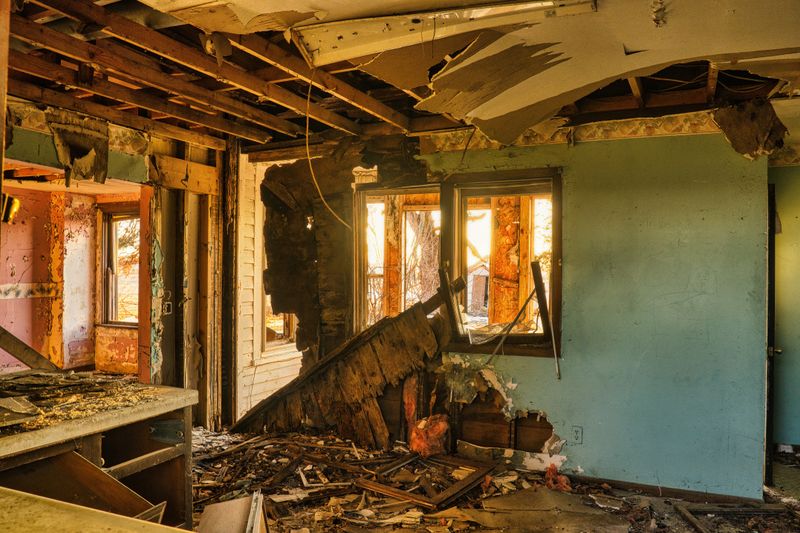
Water spreads, soaks into structure and destroys finishes, so a small failure produces a disproportionate loss. Drying, stripping and reinstating a floor and its ceiling below routinely runs into five figures. Insurers therefore treat it as a major exposure and price and word around it carefully.
Location multiplies the loss, because a failure on an upper floor takes out the ceiling, the lighting circuit and the room below along with its own floor, which is why a bathroom above a kitchen is a materially different exposure from the same bathroom on a ground-floor slab.
Sudden versus gradual is the whole distinction
A pipe that bursts is a sudden escape and is generally covered. A seal that has been failing for months is gradual damage and is generally excluded as maintenance. Because the damage looks identical, the argument at a claim is about how long it had been happening.
For most people, this is why reporting promptly matters even when the damage looks minor.
Unoccupancy conditions are strict
Most policies impose conditions once a property is unoccupied beyond a stated period, commonly thirty to sixty days. Typical requirements are maintaining a minimum temperature or draining the system in winter, plus periodic inspection.
Put simply, breaching these can exclude a water claim entirely, and people breach them without realising while travelling. The count is of consecutive days rather than of nights away in total, and it catches second homes, properties in probate and gaps between tenancies as reliably as it catches long trips, though telling the insurer in advance usually produces an agreed variation rather than a refusal.
What actually reduces the risk
Knowing where the stopcock is and that it turns — a surprising number are seized and untested. Replacing flexible tap connectors and washing-machine hoses on a schedule rather than at failure.
Where it helps most, leak detection devices that shut off the supply automatically are increasingly available and some insurers discount for them. Failures concentrate in a few places worth knowing about: flexible tap connectors and appliance hoses, push-fit joints buried under a floor, and pipework running through a loft or an unheated garage, where freezing splits it and the damage only appears on the thaw.
If it happens
Stop the water, photograph everything before moving anything, and notify the insurer before starting repairs. Insurers usually appoint a drying contractor, and arranging your own work first can prejudice the claim.
Where it helps most, keep damaged items until told otherwise; disposal before inspection is a common reason for a reduced settlement. Drying is where these claims stall, so it is worth noting the moisture readings taken at each visit and asking what target reading the contractor is working to, because a floor signed off as dry too early produces a second failure that the insurer may treat as a continuation of the first rather than a new claim.
None of this is a substitute for talking to a clinician if something feels wrong.
Trace and access, and the neighbour problem
The damage the water causes is usually covered while the failed pipe itself is not, which is why trace and access — the cost of lifting floors and opening walls to find the leak — appears as a separate item with its own limit. That limit is easily exhausted by a concealed pipe under a solid floor, and it is one of the few figures in a home policy genuinely worth comparing line by line between quotes. In flats and shared buildings the water rarely stays in one property, and who bears the cost then depends on the lease or equivalent title arrangement, the building policy and whether anyone was negligent, which is a legal question before it is an insurance one.
Where it helps most, a loss adjuster appointed on a claim acts for the insurer rather than for you, so where liability between neighbours is contested or the loss is large, an independent loss assessor or regulated advice is the way to have someone on your own side of it.
Side by side
| Consideration | What it means in practice |
|---|---|
| Why it dominates claim statistics | Escape of water accounts for a large share of home claims by value. |
| Sudden versus gradual is the whole distinction | Gradual leaks are usually excluded; sudden escapes are usually covered. |
| Unoccupancy conditions are strict | Unoccupied property conditions are strict in winter and routinely breached. |
The takeaway
Find your stopcock and turn it today. Then check the unoccupancy clause before your next long trip.
The version you keep doing is the version that works.
Questions readers ask
Is a slow leak covered?
Usually not — gradual damage is a standard exclusion. Damage from a sudden failure normally is. The distinction is factual and is where disputes concentrate.
What counts as unoccupied?
Check your wording; it is commonly thirty to sixty consecutive days. Conditions attach automatically once that period passes, whether or not you told the insurer.
Also by Colette Fenn
- Home cover: the difference between buildings and contentsHome & Contents
- Guided hospital lists: a cheaper premium bought with a shorter menuHealth Cover
- Pre-authorisation, not the invoice, decides whether treatment is paidHealth Cover
- Health cash plans do a different job from health insuranceHealth Cover