Home & Contents
An empty house stops being fully covered sooner than you expect
Most home policies restrict cover once a property has been left unoccupied for a set number of days. The clause is short and it is strict.

This is less a set of instructions about unoccupied property conditions than an argument, and it is worth saying so at the start.
The argument in brief
- Cover typically narrows to a few named perils after a stated unoccupancy period.
- The count is usually consecutive days, not total days across the year.
- Failing to notify the insurer is a breach even when nothing goes wrong.
Why an empty house is a different risk
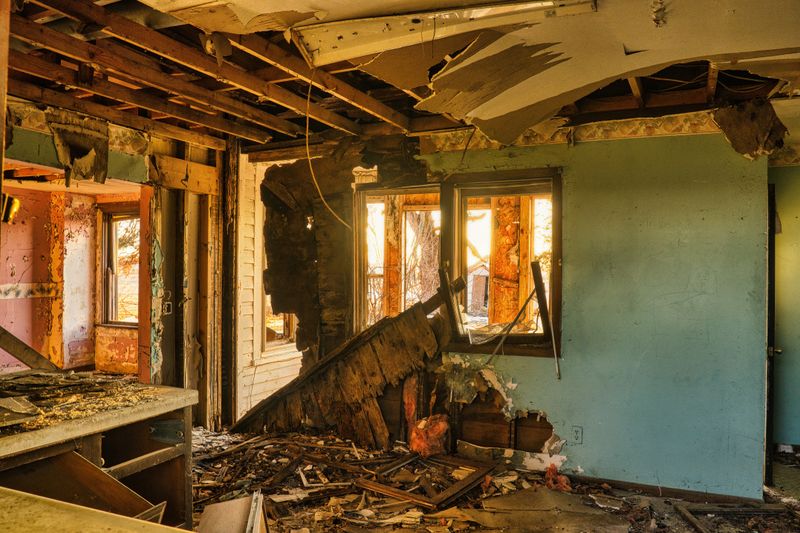
An occupied house has someone in it who notices a dripping pipe, an open window or an unfamiliar person at the door. Remove that person and small problems run unchecked, which is why water damage in empty properties produces such large claims. Empty houses are also more attractive to thieves and squatters, and any damage there goes undiscovered for much longer.
Insurers therefore treat unoccupancy as a change in the nature of the risk rather than as a minor detail of lifestyle. The response in the wording is a clause that narrows cover automatically once a stated period has passed.
How the clause usually works
The wording names a number of consecutive days, commonly somewhere between a month and two months depending on the insurer. Once that period passes, cover typically reduces to a short list of perils such as fire, lightning, explosion and aircraft impact. Water escaping from pipes, theft, malicious damage and accidental damage are the benefits most often withdrawn first.
The reduction happens by operation of the clause, so no letter arrives and nothing on your paperwork changes visibly. The exact list and the exact number of days vary considerably between insurers, which makes reading your own wording essential.
What counts as unoccupied
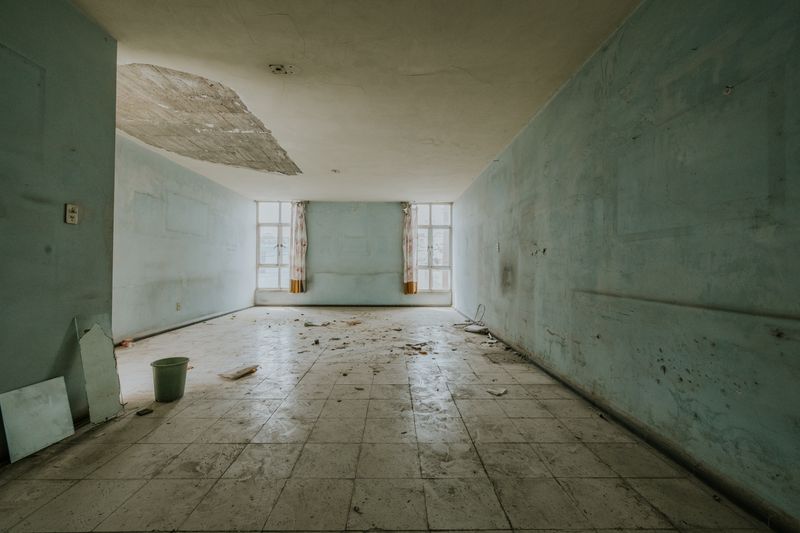
Unoccupied usually means nobody has slept in the property overnight, not merely that nobody was there during working hours. A neighbour collecting post and checking the heating does not normally make a house occupied under most definitions. Some wordings distinguish unoccupied from unfurnished, and a house emptied of furniture can trigger stricter conditions again.
A holiday home may be treated differently, sometimes under a specific product designed around periodic occupancy. Because the definitions are technical rather than intuitive, the safe assumption is that your own reading is too generous.
Conditions that come with the clause
Insurers frequently impose practical requirements once a property is unoccupied, and those requirements are conditions rather than suggestions. Common ones include draining the water system or maintaining a minimum temperature, isolating the supply, and inspecting at intervals. Inspection requirements can be weekly and often require the visit to be recorded, though enforcement varies between insurers.
Failing a condition can allow the insurer to decline a claim even where that failure did not cause the loss.
Where the condition is expressed as a warranty, the consequences of breaching it are more severe than for an ordinary term.
When it happens to ordinary people
Long hospital stays, extended work postings, probate on an inherited property and slow house sales all produce unoccupancy quietly. A house standing between tenants for a summer is the classic case, particularly where the landlord assumes cover simply continues.
Where it helps most, renovation is another, because a property emptied for building work is frequently both unoccupied and undergoing structural change. In each case telling the insurer converts a hidden problem into a priced one, sometimes with an additional premium attached. Specialist unoccupied property cover exists in most markets precisely because the standard wording does not accommodate it.
None of this is a substitute for talking to a clinician if something feels wrong.
What to do before you leave
Find the unoccupancy clause in your wording and note both the day count and the perils that survive it. Tell the insurer before the period starts rather than afterwards, since retrospective notification rarely restores cover that has lapsed.
Where it helps most, ask for confirmation in writing of any conditions imposed, and diary the inspection interval if one is required. Consider whether a friend or relative genuinely staying overnight changes the position, and confirm that with the insurer. Terms differ by insurer and country, so check your own documents rather than relying on the typical figures described here.
The takeaway
The day an empty house passes that clause, your policy changes shape without telling you; find the number before you need it.
The version you keep doing is the version that works.
Questions readers ask
Does a two-week holiday trigger the clause?
Almost never. The thresholds are usually measured in weeks beyond a normal holiday, though the exact figure varies by insurer.
Can I keep full cover on an empty house?
Often yes, through specialist unoccupied cover or an endorsement, usually at a higher premium and with inspection conditions attached.