Motor
What a telematics box actually measures
Usage-based motor policies price you on recorded behaviour, and the metrics they use are narrower and more specific than most drivers assume.
This is less a set of instructions about telematics policies than an argument, and it is worth saying so at the start.
The argument in brief
- Typical metrics are harsh braking and acceleration, cornering, speed relative to limits, time of day and mileage.
- Night driving is often penalised heavily because claim severity is higher then.
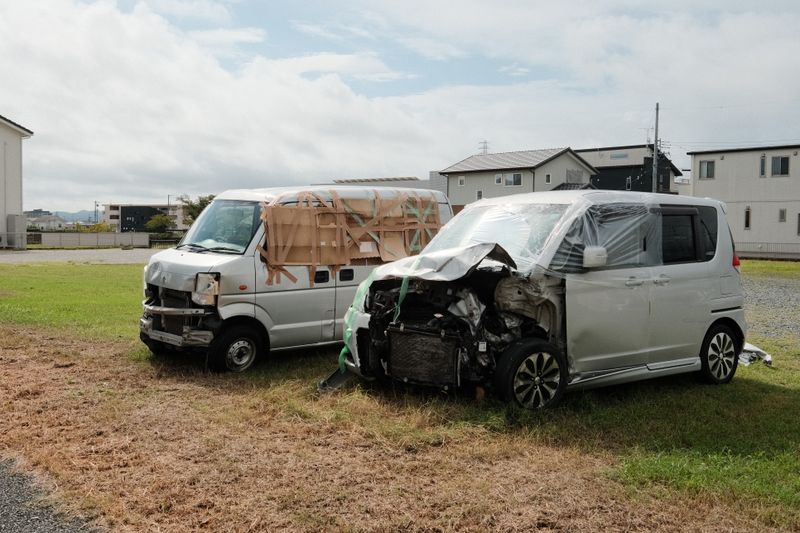
- Data may also be used to establish facts after an accident.
The measurement set is narrow
Most telematics products score a small number of proxies: rate of acceleration, rate of deceleration, lateral force in corners, speed against the posted limit, mileage and time of day. They do not measure judgement, observation, or whether a manoeuvre was safe in context.
A sharp brake to avoid a genuine hazard scores the same as a careless one, which frustrates good drivers. Knowing the metrics is the only way to understand a score that feels unfair.
Why night driving is weighted
Insurers price severity as well as frequency, and collisions in the small hours tend to be more serious. Fatigue, reduced visibility and a different mix of road users all contribute. A curfew or a night-driving penalty is therefore a severity adjustment rather than a moral judgement.
In practice, for a driver who works shifts, this can make telematics a poor fit even with excellent driving.
Where the discount comes from
Young and newly licensed drivers are expensive to insure because the insurer has no evidence about the individual, only about the group. Telematics substitutes individual evidence for group averages, which is genuinely more accurate.
For a careful driver in that group, the saving can be substantial and is a real correction rather than a promotion. For an average driver in a lower-risk group, the saving is often small.
Curfews and mileage caps
Some policies impose hard restrictions: no driving between stated hours, or an annual mileage limit with a charge for exceeding it. Breaching a hard curfew can affect cover, whereas a soft scheme merely adjusts price. The distinction is fundamental and is stated in the policy documents rather than the advertising.
Check whether a restriction is a condition of cover or a pricing input before buying.
Data after an accident
Recorded speed, location and impact data can establish what happened, which cuts both ways. It can rebut a false liability allegation, and it can also contradict your own account. Some products use the data to detect a crash and dispatch assistance automatically.
Assume anything recorded may be examined after an incident.
None of this is a substitute for talking to a clinician if something feels wrong.
Privacy and data terms
Telematics generates continuous location data, and how long it is kept, who can access it and whether it is shared are governed by the policy terms and by local data law. Data protection frameworks differ substantially between countries, so the answers are jurisdiction-specific. Ask what happens to the data if you cancel the policy or switch insurer.
These are reasonable questions to ask before installation rather than after.
The takeaway
Read the metric list and the curfew terms. The score measures forces, not judgement.
Pick the one that costs you least, and let the rest wait.
Questions readers ask
Will a low score cancel my policy?
Some products warn, then increase premium, and in severe cases cancel. The escalation path is set out in the policy documents and is worth reading before you agree to it.
Does the box track everywhere I drive?
Most record location continuously. What is done with that data is governed by the terms and by local data protection law, so ask before installation.
Also by Bao Tran
- The average clause: how underinsurance shrinks a small claimHome & Contents
- Theft claims and the words forcible and violentHome & Contents
- Working from home changes what you must tell your insurerHome & Contents
- Landlord and tenant: who insures what in a rented homeHome & Contents