Travel
Residency Rules Decide Whether A Travel Policy Is Valid
Travel insurance is sold to residents of a defined country and usually requires the trip to start and finish there, which makes residency a condition rather than a formality.

Every travel policy is written for residents of a stated country. The residency condition sits near the front of the wording and can invalidate the whole contract.
Why residency is a condition at all
Insurers price against the healthcare system, legal environment and claims patterns of the country they sell in, and are regulated to sell only in markets where they are authorised.
Residency also anchors the medical risk. A policy assumes the traveller has access to healthcare at home, which is where repatriation delivers them.
Assistance networks, provider relationships and the cost assumptions behind the medical limit all rest on that assumption.
How residency is usually defined
Common formulations require permanent residence in the country for a stated period before the policy starts, together with registration with a local medical practitioner.
Some add a requirement not to have spent more than a defined period abroad in the preceding year, which catches long-term travellers and people working overseas.
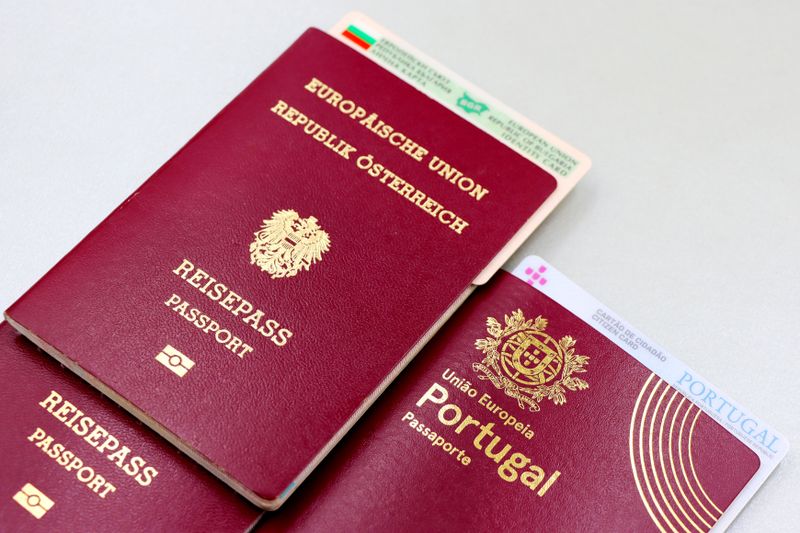
Holding a passport is not the test. Nationality and residency are different questions, and the wording asks about the latter.
The trip must usually start and end at home
Most annual policies require each trip to begin and finish in the country of residence. A journey starting from another country falls outside the definition of a trip.
This catches travellers who are already abroad and buy cover to continue, and those who book a one-way onward leg from a foreign city.
Some insurers offer policies designed for trips beginning abroad, but these are separate products rather than a variation of the standard wording.
Cover cannot usually start once you have left
Policies bought after departure are the clearest failure of these conditions, and many wordings state directly that cover must be arranged before leaving.
The reason is anti-selection. Someone buying cover after arriving frequently does so because a problem has already appeared.
Specialist products for travellers already overseas exist, and they typically impose a waiting period before medical cover begins for exactly that reason.
Where it matters most
The condition is rarely checked at purchase, because sales are automated. It is checked at the claim, when the insurer requests proof of address and medical registration.
That timing is what makes it dangerous: the traveller believes they are covered throughout, and discovers otherwise when the largest claim arrives.
Residency definitions, trip conditions, waiting periods and available products vary by insurer and jurisdiction and change over time. The wording in force governs whether the policy responds.
Questions readers ask
Does a card replace travel insurance?
No. It can reduce treatment costs in participating countries, but it funds no repatriation, no cancellation and no private care.
Will my insurer refuse a claim if I did not use the card?
Some apply a higher excess or reduce a settlement where a card could have been used. The wording will say whether yours does.