Travel
The activity list decides whether a holiday accident is covered
Travel policies sort activities into tiers, and the tier decides the premium and the cover. Nothing about the tier is intuitive.

There is a short answer about hazardous activity lists and a useful one, and they are not the same. What follows is the useful one.
The short version
- Activities are graded into tiers, with higher tiers requiring a paid upgrade.
- Depth, altitude and supervision thresholds appear inside the definitions.
- Personal liability is usually excluded for activities even when medical cover applies.
How the tiers work
Most travel insurers publish a list of activities split into levels, with a base level included and higher levels charged for. The base level covers ordinary holiday activity such as swimming, walking on marked paths and using a hotel gym.
Middle tiers add things like snorkelling, cycling, horse riding and organised water sports with an operator. Upper tiers cover diving, climbing, motorised sports and other activities where injuries are frequent or severe. The lists are long, oddly specific and differ between insurers, which is why reading your own list is the only reliable way to know what you have paid for.
The thresholds hidden in definitions
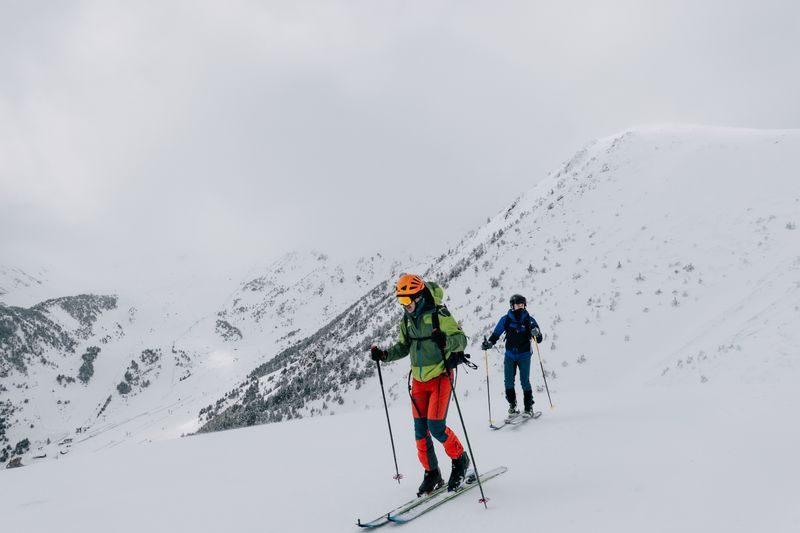
Scuba diving is usually covered only to a stated depth and only when accompanied by a qualified instructor or dive leader. Trekking is often covered only below a stated altitude, above which it becomes mountaineering and needs an upgrade.
Cycling may be covered on roads and paths but excluded on downhill trails or where a helmet is not worn. Water sports are frequently covered only when organised and supervised by a licensed operator rather than done independently. These thresholds are numbers in a definition, and crossing one removes cover without any warning at the time.
Competition changes everything
Doing an activity recreationally and doing it competitively are treated as different risks by almost every wording. Racing, competing or training for competition is commonly excluded even where the underlying activity is included.
On an ordinary week, amateur events, charity challenges and organised races often fall inside that exclusion despite feeling entirely social. Professional participation of any kind is excluded from consumer travel policies without exception in our experience. If an event has timing chips and a results list, check the wording before assuming the activity tier still applies.
Liability is a separate carve-out
Even where an activity is covered for medical costs, personal liability arising from it is frequently excluded. That matters where you injure another participant, damage equipment or collide with somebody on a slope or a path. Operators usually carry their own liability cover, but it protects them rather than a participant who causes harm.
Some specialist providers include participant liability, and it is worth asking specifically rather than assuming.
Legal costs abroad can be substantial even where a claim ultimately fails, which is what the cover would fund.
Getting the cover you need
Read the list before booking anything, because upgrades are cheap in advance and impossible after an accident. Where an activity is not listed at all, ask the insurer in writing whether it falls inside the base tier, and keep the reply with your policy documents. Specialist insurers exist for climbing, diving and expedition travel, usually with better-suited definitions.
Check whether equipment you own or hire is covered, since sports equipment often sits outside the baggage section. Nothing here recommends any provider, and terms differ enough between markets to make general assumptions unwise.
If that does not fit your week, it is not a failure of willpower.
If something goes wrong
Contact the assistance line before treatment where the situation allows, since authorisation protects the claim. Keep the booking confirmation and any operator paperwork, because supervision and licensing are frequently questioned.
In practice, record whether safety equipment was provided and worn, since helmet and buoyancy aid conditions are common. Ask the insurer which specific clause is relied on if cover is questioned, and check it against the definition. Where an activity was clearly within the tier you paid for, that is a straightforward point to press in a complaint.
The takeaway
Read the tier list before you book the activity, not before you do it; the upgrade is only available while nothing has happened.
Pick the one that costs you least, and let the rest wait.
Questions readers ask
Is a hotel jet ski covered?
Sometimes, and often only when operated within an organised session with an instructor present. Independent hire is frequently excluded.
Does an upgrade cover everything?
No. Higher tiers still exclude competition, professional participation and activities beyond stated depth or altitude thresholds.