Travel
Winter sports cover, off-piste and the helmet clause
Skiing extensions are cheap and narrow. What voids them is usually not the skiing but where and how it was done.
There is a short answer about winter sports cover and a useful one, and they are not the same. What follows is the useful one.
The short version
- Winter sports cover is normally an extension, not part of a standard policy.
- Off-piste skiing is commonly excluded unless with a qualified guide.
- Piste closure, equipment and lift pass benefits are usually small and capped.
What the extension adds
A winter sports extension covers medical treatment for skiing injuries, mountain rescue, equipment and lift passes. Mountain rescue is the reason the extension exists, since helicopter evacuation from a mountain is expensive and common. Without the extension, a standard policy usually excludes the activity entirely, so a skiing injury has no cover at all.
It is inexpensive relative to what it covers, and it is genuinely essential rather than an upsell.
Off-piste is where cover ends
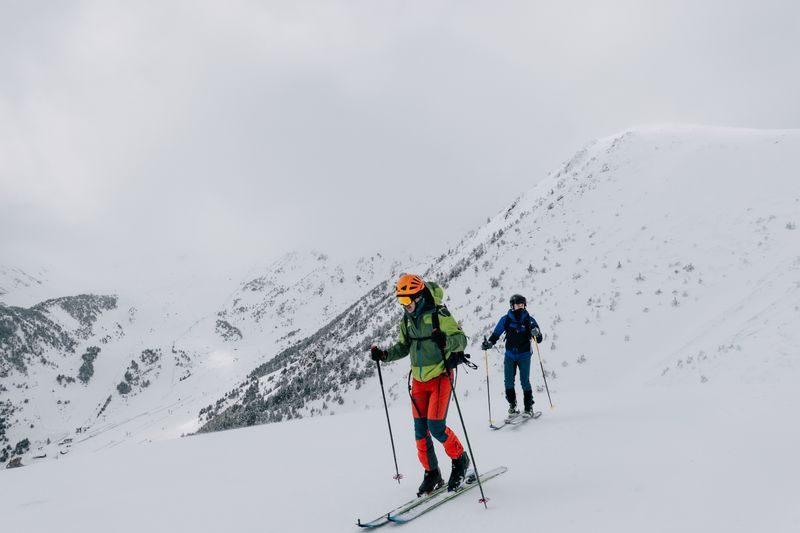
Most extensions exclude skiing outside marked and open runs, or cover it only when accompanied by a qualified guide or instructor. Some cover off-piste within resort boundaries but exclude anything beyond them. Skiing on a closed run, or ignoring avalanche warnings, is excluded in almost every wording.
In practice, these distinctions are precise and are the ones that decide serious claims.
Helmets and reasonable care
Some policies require a helmet for cover to apply, and many more rely on a general reasonable care clause. Where a helmet is a stated condition, not wearing one can defeat a head injury claim entirely. Reasonable care clauses give insurers latitude to decline claims arising from obviously risky behaviour.
Where it helps most, reading whether your policy states a helmet requirement takes seconds and matters enormously.
The small benefits
Ski equipment cover applies depreciation like any baggage claim, and hired equipment is often covered separately. Lift pass cover reimburses unused days after an injury, usually pro rata and with a low cap. Piste closure benefit pays a small daily amount when lack of snow closes the resort, and typically excludes closures you knew about when booking.
None of these is a reason to choose a policy; the medical and rescue cover is.
Other mountain activities
Snowboarding is generally included, while ski touring, heli-skiing, ski jumping and racing are commonly excluded or need specific cover. Snowmobiles are frequently excluded, and driving one usually requires an appropriate licence for cover to apply. Sledging and ice skating sit in an inconsistent middle ground across wordings.
In practice, check the activity list against the actual plan, including anything organised on the day.
Duration limits
Annual policies with winter sports cover usually cap total winter sports days per year, commonly around two to three weeks. A season spent in a resort is a different product and needs a season-long or long-stay policy.
In practice, working a ski season, even informally, is excluded from ordinary travel cover and needs specialist cover. Anyone spending an extended period in a resort should treat that as a separate insurance question entirely.
The takeaway
Check the off-piste and helmet wording before the medical limit. Those two clauses decide mountain claims.
Small and repeatable beats ambitious and abandoned, almost every time.
Questions readers ask
Is off-piste skiing ever covered?
Often only when accompanied by a qualified guide or instructor, and sometimes only within resort boundaries. Read the exact wording, because the variations here are substantial.
Does my annual travel policy include skiing?
Usually not by default. Winter sports is normally a paid extension, and without it a skiing injury may have no medical cover at all.