Travel
Your Travel Insurer Expects The Airline To Pay First
Travel policies sit behind statutory passenger rights, card protections and package rules, so an insurer will usually ask what the airline or provider paid before settling.

Travel insurance is not the first place a disrupted traveller should look. It sits behind several other routes, and most policies require those routes to be used first.
The layering of protections
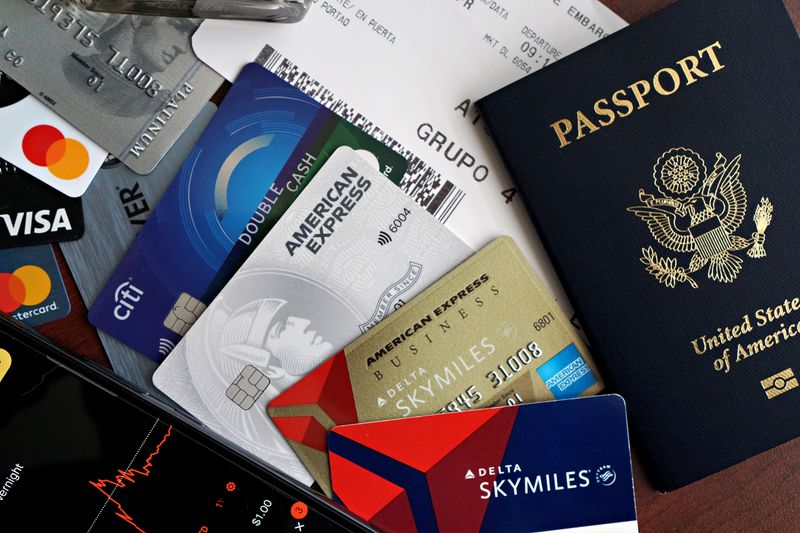
Statutory passenger rights, package travel rules, card chargeback and card issuer protections all create obligations on providers before any insurance is involved.
Travel insurance is drafted on the assumption those layers exist, which is why it responds to what remains unrecovered rather than to the whole cost.
The policy usually says so directly, excluding losses recoverable from a carrier, tour operator or other source.
Why the layers pay differently
Passenger rights typically impose duties of care and fixed compensation for delay or cancellation within the carrier's control, regardless of any loss suffered.
Package rules place responsibility on the organiser for the whole arrangement, including alternatives and refunds where a trip cannot proceed as sold.
Insurance instead responds to defined events and pays an indemnity for actual loss, subject to excesses and limits, which is a narrower promise.
How the sequence works in practice
The traveller claims from the carrier or organiser, receives a refund or compensation, and then claims any remaining loss from the insurer with that correspondence attached.
Insurers ask for evidence of what was recovered because they are settling a residual figure. A claim submitted without it is usually paused rather than declined.
Where a provider refuses or fails to respond within a reasonable period, that refusal is itself the evidence the insurer needs.
Why this is not the insurer avoiding payment
Paying first and recovering later would mean pricing the policy as though no statutory rights existed, which would raise premiums for everyone.
The contribution and subrogation principles that underpin all insurance produce the same result: one loss is compensated once, from the party responsible for it.
Insurers do sometimes pay first and pursue recovery themselves, particularly on medical claims where delay would be harmful.
Where the layers leave a genuine gap
Statutory compensation rarely covers consequential losses such as a missed connection on a separate booking, prepaid accommodation or an event ticket.
Provider insolvency is another gap, since a failed company pays nothing, and specific financial protection schemes rather than travel insurance usually address it.
Passenger rights, package rules, card protections and insurer requirements vary by jurisdiction and change over time. The policy wording and the applicable law together determine recovery.
Questions readers ask
Does a card replace travel insurance?
No. It can reduce treatment costs in participating countries, but it funds no repatriation, no cancellation and no private care.
Will my insurer refuse a claim if I did not use the card?
Some apply a higher excess or reduce a settlement where a card could have been used. The wording will say whether yours does.