Motor
Salvage categories follow a car for the rest of its life
A written-off vehicle is recorded against its identity, not just against the claim. That record changes what it is worth and who will insure it.

The points below about salvage categories are ordered by how much difference they make, not by how often they get repeated.
What matters most
- Categories separate structurally unsafe vehicles from economically unviable ones.
- The marker is recorded against the vehicle and is visible to later buyers and insurers.
- Failing to disclose a category when insuring is a straightforward non-disclosure.
What a category means
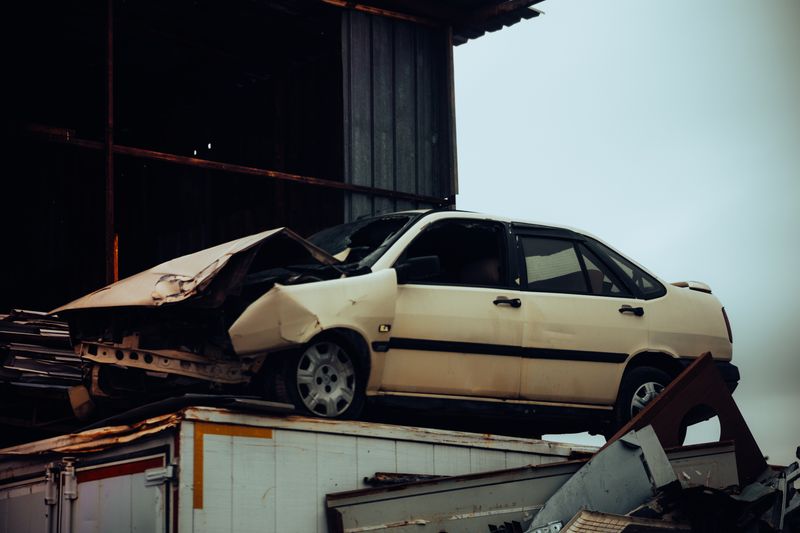
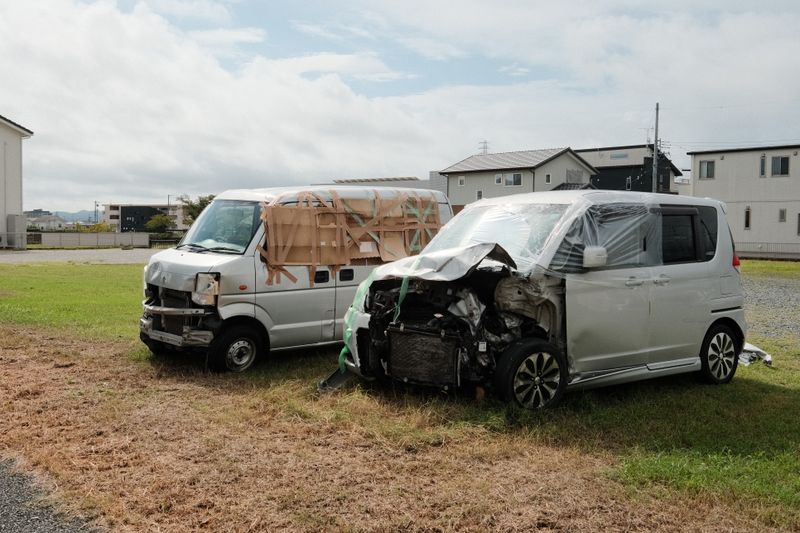
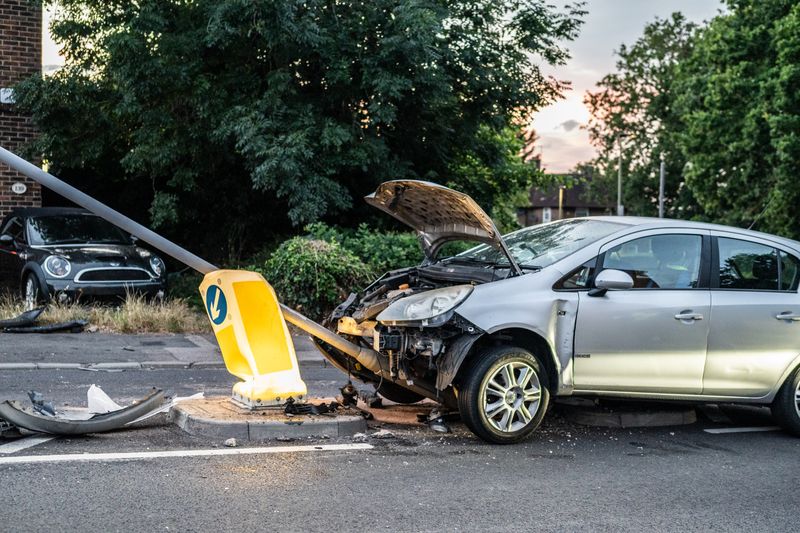
When an insurer declares a total loss it assigns the vehicle to a salvage category describing what may be done with it. The most serious categories cover vehicles that must be destroyed or that may never legally return to the road again.
Less serious categories cover vehicles that are repairable, where the insurer simply decided repair was not economic. The dividing line is structural safety in the more recent schemes, rather than the size of the repair bill alone. Category names and letters differ between countries, so the underlying question is always what the category permits, not what it is called.
Economic versus structural write-offs
A car can be written off with light damage if its market value is low, because repair cost quickly exceeds value on older vehicles. That vehicle may be perfectly sound, and buying one repaired can be reasonable if the work was done properly. A structurally damaged vehicle is a different matter, because chassis and safety cell repairs are difficult to verify afterwards.
On an ordinary week, damage to airbags, seatbelt pretensioners and crash structures is where the safety concern genuinely sits. Understanding which of the two you are looking at is more useful than the category letter by itself.
Why the record persists
Insurers report total losses to shared vehicle databases, so the marker attaches to the vehicle identity rather than to the claim. History checks used by buyers, dealers and insurers read those databases, which is why the marker surfaces years later. The record does not expire with time, and repairing the vehicle to a high standard does not remove it.
Some markets also require the registration document to be surrendered or annotated, creating a second permanent trace. That permanence is the point: it protects later buyers who cannot see what happened before they arrived.
What it does to value and cover
A categorised vehicle sells for materially less than an equivalent car with clean history, and the discount persists. If it is written off again, the settlement reflects that reduced value, so the discount you enjoyed when buying returns as a smaller payout. Some insurers decline to cover previously written-off vehicles at all, and others load the premium or restrict cover.
Availability tightens further where the earlier damage was structural rather than merely economic. None of this makes such a car uninsurable in general, but it narrows the market you are buying cover in.
Disclosure is not optional
If you know a vehicle has been written off, that is a material fact and insurers expect it to be declared. Failing to declare it can allow an insurer to void the policy or refuse a claim, depending on local law and the wording. Buyers who did not know, and could not reasonably have known, are in a different position, which is why the history check matters.
Keeping the check, the repair invoices and any independent inspection report protects you if the question arises later. Where you are selling, disclosure is usually a legal obligation as well as an insurance one in most jurisdictions.
If that does not fit your week, it is not a failure of willpower.
Before buying a repaired vehicle
Run a history check first, because the price being attractive is often the first clue that a marker exists. Ask for photographs of the damage before repair and the invoices for the work carried out, and be suspicious if none exist.
Have an independent inspection done, focusing on panel alignment, weld quality and evidence of structural straightening. Confirm with an insurer that they will cover the vehicle before you buy it rather than afterwards. Categories, rules and databases differ by country, so verify the local scheme rather than relying on a general description.
Everything above, in order of what to do first
- What a category means. When an insurer declares a total loss it assigns the vehicle to a salvage category describing what may be done with it.
- Economic versus structural write-offs. A car can be written off with light damage if its market value is low, because repair cost quickly exceeds value on older vehicles.
- Why the record persists. Insurers report total losses to shared vehicle databases, so the marker attaches to the vehicle identity rather than to the claim.
- What it does to value and cover. A categorised vehicle sells for materially less than an equivalent car with clean history, and the discount persists.
- Disclosure is not optional. If you know a vehicle has been written off, that is a material fact and insurers expect it to be declared.
- Before buying a repaired vehicle. Run a history check first, because the price being attractive is often the first clue that a marker exists.
The takeaway
Check the history before the price tempts you, and assume any category marker will still be there when you come to sell.
Pick the one that costs you least, and let the rest wait.
Questions readers ask
Can a written-off car be legally driven again?
It depends on the category and the country. Some categories permit repair and return to the road, others prohibit it entirely.
Does a repaired write-off get insured normally?
Often at a higher price and with fewer insurers willing to quote. Some will decline outright, particularly for structural categories.
Also by Bao Tran
- The average clause: how underinsurance shrinks a small claimHome & Contents
- Theft claims and the words forcible and violentHome & Contents
- Working from home changes what you must tell your insurerHome & Contents
- Landlord and tenant: who insures what in a rented homeHome & Contents